

glass window panes
Making a Welding Table A Comprehensive Guide Welding is an essential skill in many industries, from automotive repair to metal fabrication. A good welding table can significantly enhance your work quality and efficiency. In this article, we’ll walk you through the process of making your own welding table, covering materials, construction steps, and tips to ensure it meets your needs. Materials Needed When constructing your welding table, choosing the right materials is crucial. Here’s a list of items you’ll need 1. Tabletop A steel plate is ideal. A thickness of 1/4 inch or more is recommended to withstand the heat and weight of various projects. Commonly, a 4x4-foot or 4x8-foot plate is used, depending on your workspace. 2. Frame You can either use square or rectangular steel tubes for the legs and supports. Tubes with a thickness of at least 1/8 inch are recommended for stability. 3. Wheels (optional) If you want your table to be mobile, add heavy-duty casters with locks. 4. Welding gear Ensure you have appropriate personal protective equipment (PPE), such as a welding helmet, gloves, and a fire-retardant jacket . 5. Tools You will need a welding machine, an angle grinder, a drill, measuring tape, and a level. Step-by-Step Construction 1. Design Your Table Before cutting any material, sketch out your design. Consider the size and shape that will work best for your projects. A square or rectangular table is usually most versatile. Ensure your design includes dimensions that allow enough workspace and room for larger projects. making a welding table 2. Prepare the Top Plate Cut the steel plate to the desired dimensions if it isn't already. Make sure to wear protective gear while cutting to avoid injuries. 3. Build the Frame Cut the steel tubes for the frame. You will need two long pieces for the length and two shorter pieces for the width, along with additional vertical supports based on your design. 4. Assemble the Frame Using your welding machine, start by welding the corners of the frame together. Ensure that each joint is secure and that the frame remains level. A square frame will ensure that your tabletop doesn’t warp as you work. 5. Attach the Tabletop Once the frame is complete and cooled, place the steel plate on top. Secure it by welding along the edges or using bolts if you prefer a removable top. Ensure the plate is flush and even with the frame to avoid any wobbling during use. 6. Add Legs (if applicable) For a stable work surface, attach steel tubes as legs. If you’re using wheels, attach the casters to the bottom of the leg tubes. Make sure the legs are evenly positioned, as this will impact the stability of your table. 7. Finish the Table Grind down any sharp edges and clean the surface of the table to remove any weld spatter. This will help prevent injuries and improve your working environment. 8. Test Your Table Before using your new welding table for substantial projects, test its stability with some lighter tasks. Ensure everything is securely attached, and adjust as necessary. Additional Tips - Add Accessories Consider adding features like a vise, electrical outlets, or a magnetic tool holder to enhance your table's functionality. - Surface Protection To prolong the lifespan of your welding table, consider applying a protective coating or paint designed for high temperatures. - Storage Solutions Utilize below-table storage solutions for tools and supplies, helping maintain a clean and organized workspace. Conclusion Creating your own welding table can be a rewarding project that not only improves your welding setup but also adds a personal touch to your workspace. By carefully selecting materials, following construction steps, and incorporating additional features, you’ll have a sturdy, functional table tailored to your specific needs. Happy welding!
about
glass window panes
Marking Out Tools for Metalworking Precision and Importance In the world of metalworking, accuracy is paramount. Whether you are crafting intricate parts for machinery or building frameworks for structural applications, the precision of your work can make the difference between success and failure. One of the most critical aspects of achieving this accuracy is the marking out process, which involves marking dimensions and guidelines on the metal before cutting or shaping it. This is where marking out tools come into play. Marking out tools for metal are essential for ensuring that measurements are correct and that cuts are made in the right locations. There is a wide variety of these tools available, each designed for specific applications, materials, and types of work. Let’s explore some of the most common marking out tools used in metalworking. 1. Scribes A scriber is a sharp tool, often made of hardened steel, that is used to make precise marks on metal surfaces. It can produce fine lines that are crucial for accurate cutting. The advantage of a scriber over other marking methods is that it does not wear away the material as much, allowing for more effective guiding during cutting processes. Scribes can also be used to mark various metals, including steel, aluminum, and copper. 2. Marking Gauges Marking gauges are tools used to ensure that a consistent distance from a reference edge is maintained while marking. They are particularly useful in woodworking, but their metalworking counterparts serve a similar purpose. A typical marking gauge consists of a beam with a pointed end and an adjustable slider that allows the user to set the desired measurement. This tool ensures uniformity in spacing, which is crucial for repeated tasks in production settings. 3. Layout Fluid marking out tools for metal For larger metal sections, layout fluid is an indispensable tool. This liquid, often colored blue or red, is applied to the metal surface to create a visible contrast against the material. Once the layout fluid dries, it provides a clean surface for marking with a scribe or other implement. The marks are easy to see without overshadowing the surface of the metal, helping machinists maintain accuracy while cutting the material. 4. Steel Rules and Calipers Measurement is a foundational part of the marking out process, and tools like steel rules and calipers are fundamental in achieving precise dimensions. Steel rules are typically marked in both metric and imperial units, offering a versatile tool for measuring lengths and distances. Calipers, whether inside or outside, allow for even more detailed measurements, including internal diameters and depths. Together, these tools facilitate accurate marking based on precise measurements, which enhances the quality of the final product. 5. Center Punches Before drilling holes in metal, using a center punch is advisable to create an indentation at the desired location. This dent helps to prevent the drill bit from wandering, ensuring that holes are drilled exactly where intended. A center punch not only improves accuracy but also reduces the risk of damaging the metal. Conclusion In conclusion, the choice of marking out tools significantly influences the precision of metalworking projects. Scribes, marking gauges, layout fluid, steel rules, calipers, and center punches are just a few examples of tools that facilitate accurate marking and measurements. Investing in quality marking out tools can enhance efficiency, reduce waste, and ultimately lead to better quality metalwork. For anyone involved in metal fabrication—be they hobbyists or professionals—understanding and utilizing these marking out tools is a vital step towards achieving precision and excellence in their craft.
-

High quality industrial productsagement

High quality industrial products
View Details -

Meet the diverse needs of customers

Meet the diverse needs of customers
View Details -

Strict quality control

Strict quality control
View Details -

Top raw materials

Top raw materials
View Details -

Trusted supplier

Trusted supplier
View Details
Our application
news and information
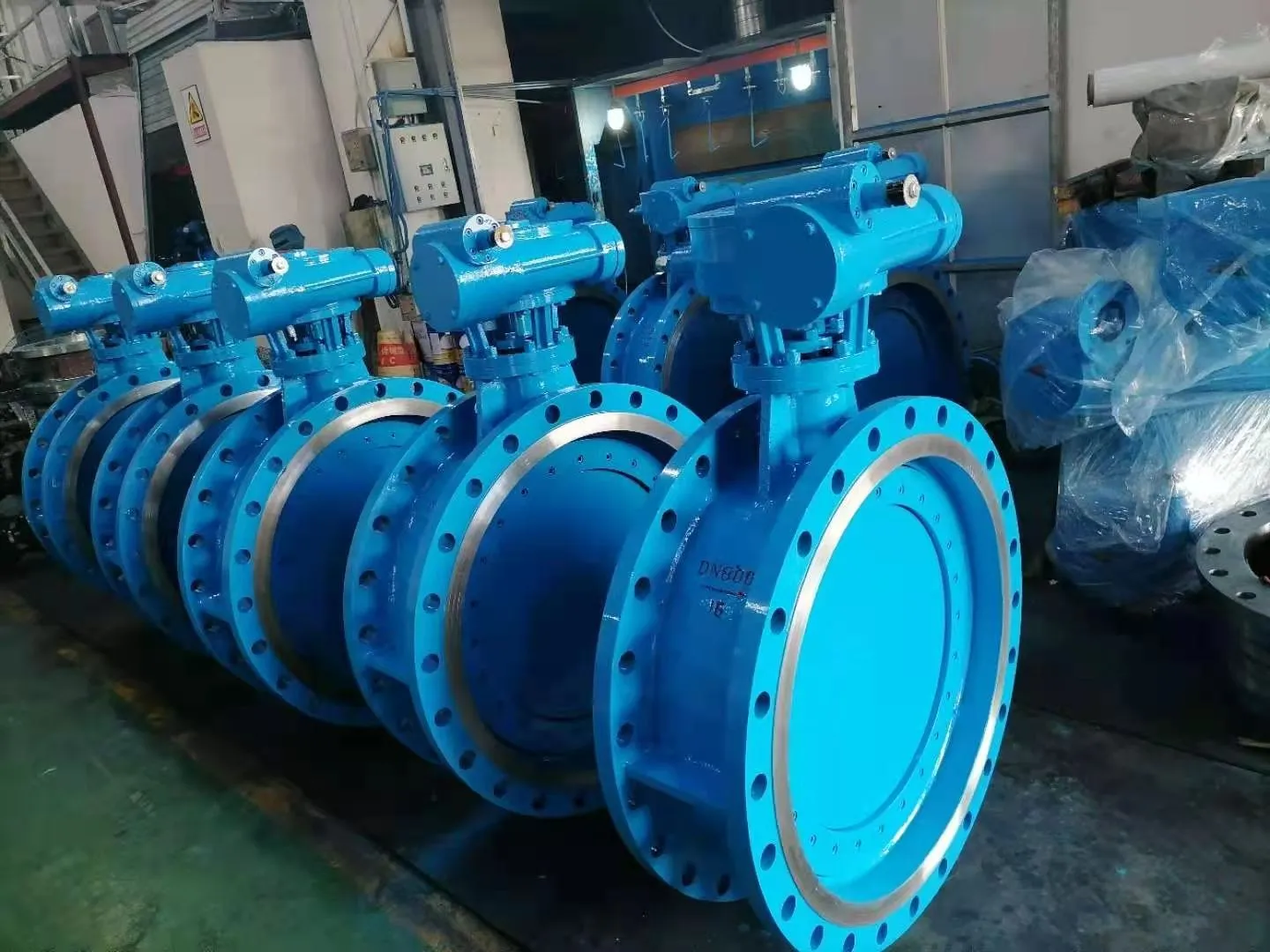
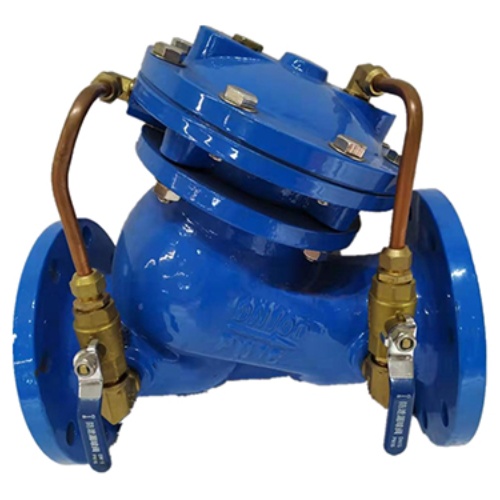
Ventile de grille de 18 pouces
La vanne de portail de 18 pouces un élément clé pour la gestion des fluides Les vannes jouent un rô
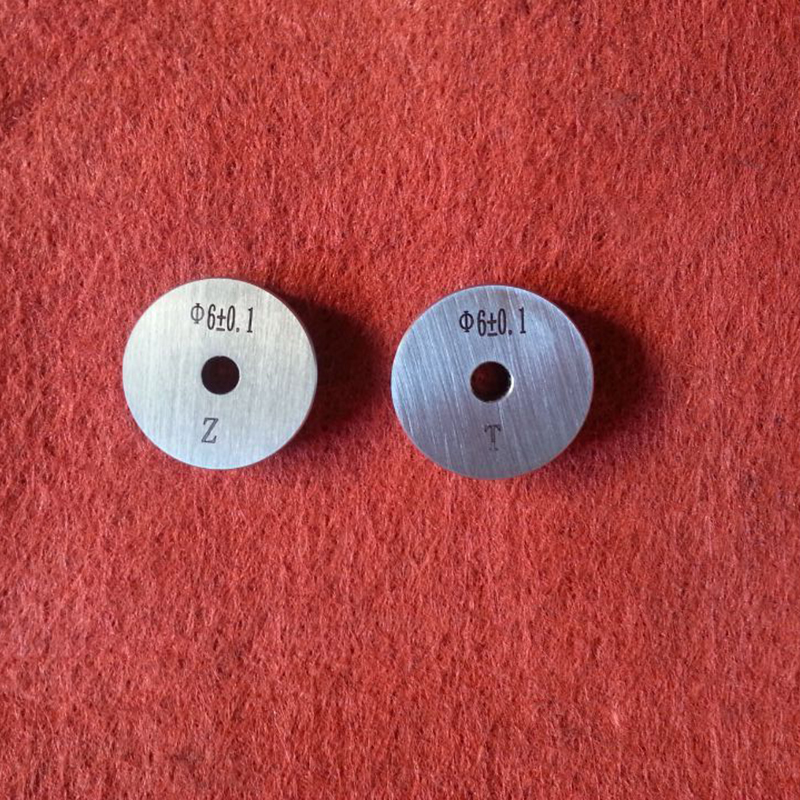
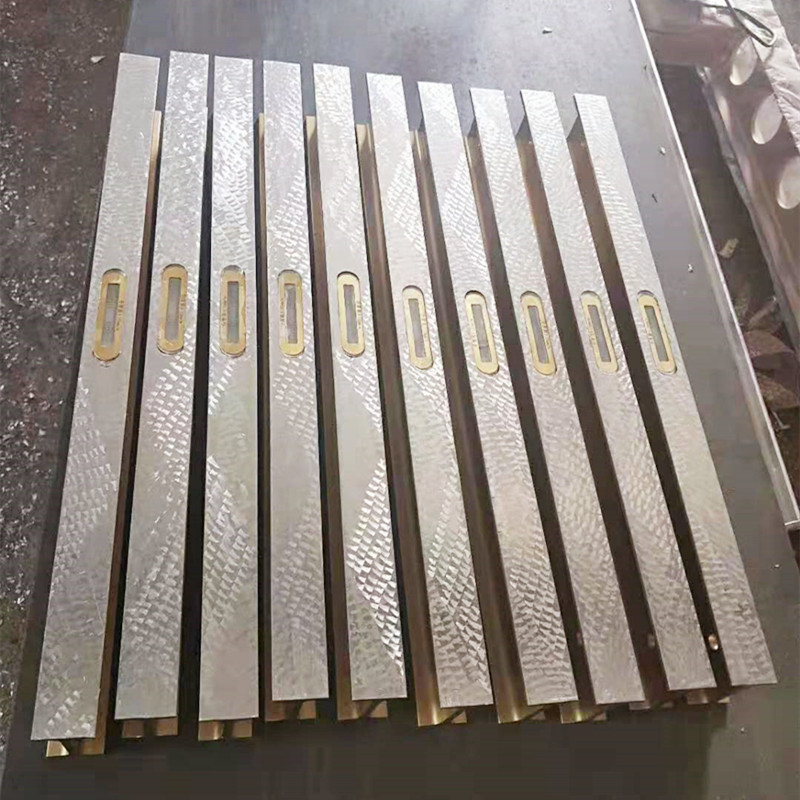
Welding Inspection Tools for Accurate Measurement and Quality Assurance
The Importance of Welding Inspection Rulers in Quality Control Welding is a critical process in vari
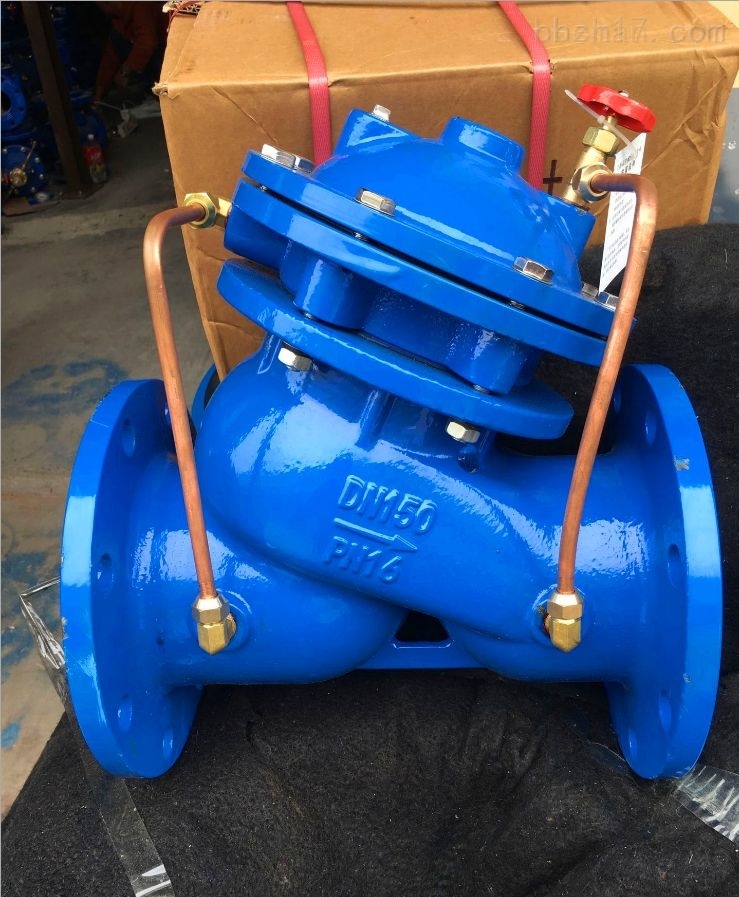
Versatile 4x8 Welding Table for Precision Fabrication and Project Efficiency
The Versatility of a 4x8 Welding Table When it comes to metalworking and fabrication, having the rig
 English